
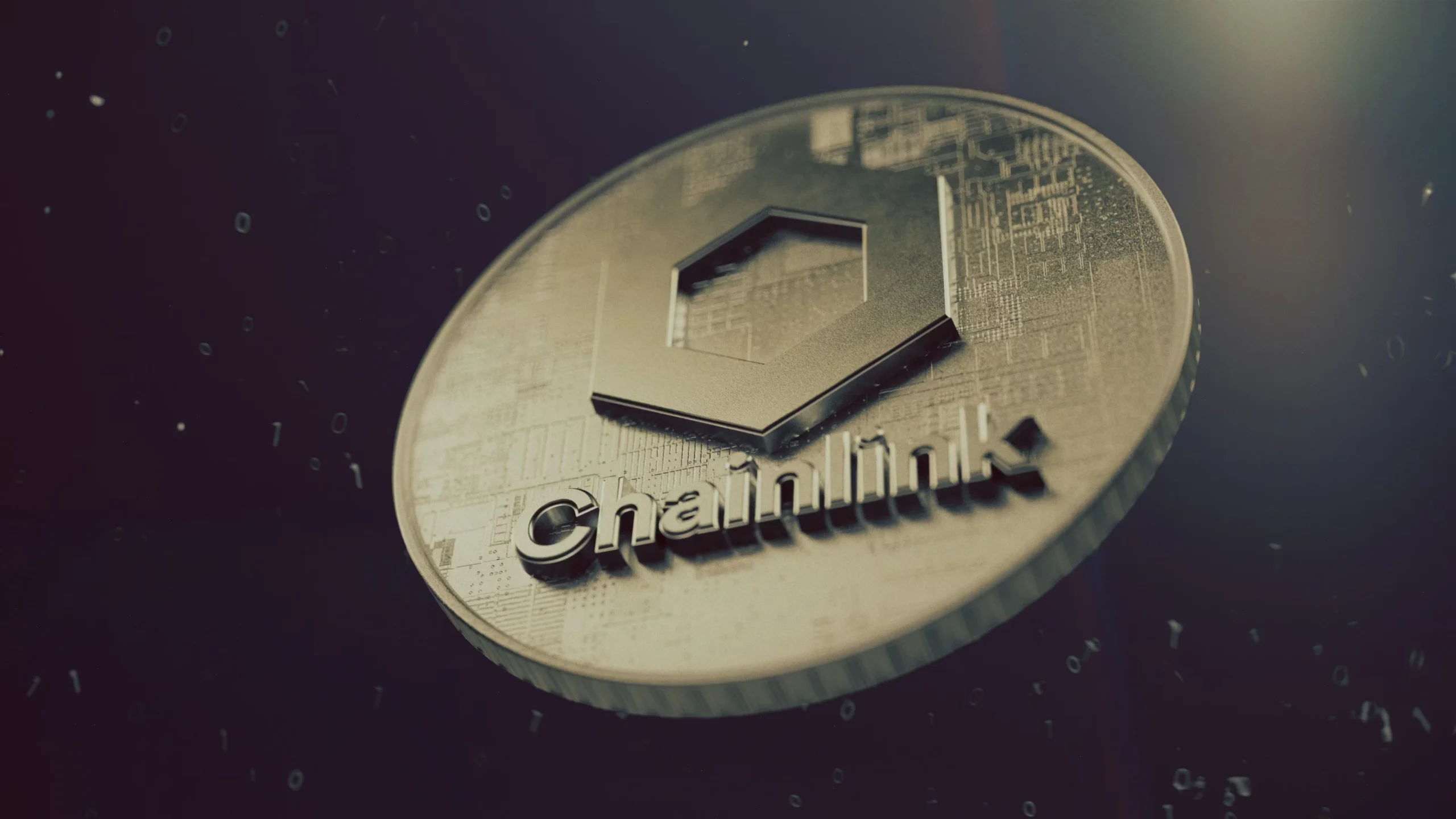
Chainlink stands at the forefront of a financial revolution, powering the surge in asset tokenization that experts predict will reshape markets by 2026. This decentralized oracle network bridges blockchain with real-world data, enabling secure tokenization of assets like gold, real estate, and stocks. Investors and enthusiasts dive into this topic because it promises explosive growth in decentralized finance (DeFi), where tokenized assets unlock liquidity and efficiency. Read on to grasp how Chainlink drives this trend, why 2026 marks a tipping point, and practical advice to position yourself wisely in crypto and traditional finances. Discover strategies that blend financial literacy with emerging tech for smarter decisions.
Understanding Chainlink and Asset Tokenization
Chainlink revolutionizes blockchain by delivering reliable, real-time data from external sources. Developers rely on its oracles to feed smart contracts with accurate information, such as market prices or weather data. In asset tokenization, Chainlink ensures that tokenized real world assets (RWA) reflect true value without manipulation risks.
Asset tokenization converts physical or financial items into digital tokens on a blockchain. You fractionalize a gold bar, for instance, allowing multiple owners to trade shares instantly. This process boosts accessibility in decentralized finance, cutting out middlemen and reducing costs. Blockchain oracles like Chainlink verify off-chain data, making tokenized assets trustworthy for institutions.
Experts forecast massive adoption. Projections show the tokenized assets market hitting hundreds of billions by 2026, driven by regulatory clarity and tech advancements. Chainlink’s role? It integrates traditional finance with crypto, enabling seamless RWA tokenization.
Why Chainlink Targets Explosive Growth in 2026
Markets evolve rapidly, and Chainlink positions itself as the backbone for real world assets integration. Institutional investors allocate more to tokenized assets, seeking higher yields in DeFi. Chainlink’s updates, like enhanced data streams for stocks, address this demand directly.
Regulatory shifts favor growth. Governments worldwide clarify rules for blockchain oracles and RWA, paving the way for mainstream use. Chainlink partners with major players to tokenize everything from bonds to commodities, amplifying its network effects.
Price dynamics intrigue investors. Analysts eye Chainlink price prediction models, factoring in adoption rates. If asset tokenization scales as expected, Chainlink’s token could surge, rewarding early holders. However, volatility persists—diversify across gold, crypto, and tokenized assets for balance.
- Increased Liquidity: Tokenized real world assets trade 24/7, unlike traditional markets.
- Lower Barriers: Small investors access high-value items like art or property fractions.
- Enhanced Security: Blockchain oracles prevent fraud through verifiable data.
- Global Reach: Decentralized finance opens doors for underserved regions.
Chainlink vs. Traditional Assets: A Comparison Table
| Aspect | Traditional Assets | Tokenized Assets with Chainlink |
| Liquidity | Limited to market hours | 24/7 trading via DeFi |
| Ownership | Full units, high entry costs | Fractional shares, affordable |
| Verification | Manual audits, prone to errors | Automated blockchain oracles |
| Costs | High fees from intermediaries | Reduced expenses, smart contracts |
| Accessibility | Restricted to accredited investors | Open to global participants |
This table highlights how Chainlink empowers tokenized assets to outperform old models.
Common Mistakes in Asset Tokenization and How to Avoid Them
Investors rush into RWA without due diligence. One pitfall: ignoring oracle reliability—Chainlink mitigates this with decentralized verification. Another: overlooking regulations, leading to compliance issues. Always research local laws.
Underestimating volatility ranks high too. Tokenized assets fluctuate; balance with stable holdings like gold. Finally, skipping education hampers success—build financial literacy through consistent learning.
Expert FAQs
What makes Chainlink essential for RWA tokenization?
Chainlink provides tamper-proof data feeds that ensure tokenized assets mirror real-world values accurately. As Alexandru-Stefan Goghie explains in his 2024 paper on tokenization in banking, blockchain oracles like Chainlink redefine authority by enabling secure, decentralized asset representation, reducing risks in financial systems.
How might Chainlink price prediction impact investors in 2026?
Predictions vary, but growth in asset tokenization could drive significant gains. Goghie notes that tokenization balances efficiency and risks, suggesting Chainlink’s infrastructure positions it for value creation as DeFi expands.
Is asset tokenization safe for beginners?
Yes, with caution. Start small, use reputable platforms. Experts like those in Goghie’s research emphasize smart contracts’ role in minimizing risks, but advise diversifying to include gold alongside crypto.
What role do blockchain oracles play in tokenized assets?
They fetch and verify external data. Chainlink excels here, supporting real world assets by preventing oracle problems that plague other networks.
How does decentralized finance benefit from Chainlink in 2026?
DeFi thrives on reliable data. Tokenized assets integrate seamlessly, boosting adoption. As per scholarly insights, this shift could allocate billions institutionally.
Chainlink heralds a new era in finances. Embrace asset tokenization now—educate yourself, diversify wisely, and consider Chainlink for your portfolio. Stay informed to capture the explosion ahead. Ready to dive deeper? Explore our resources on gold, crypto, and financial literacy today.
