
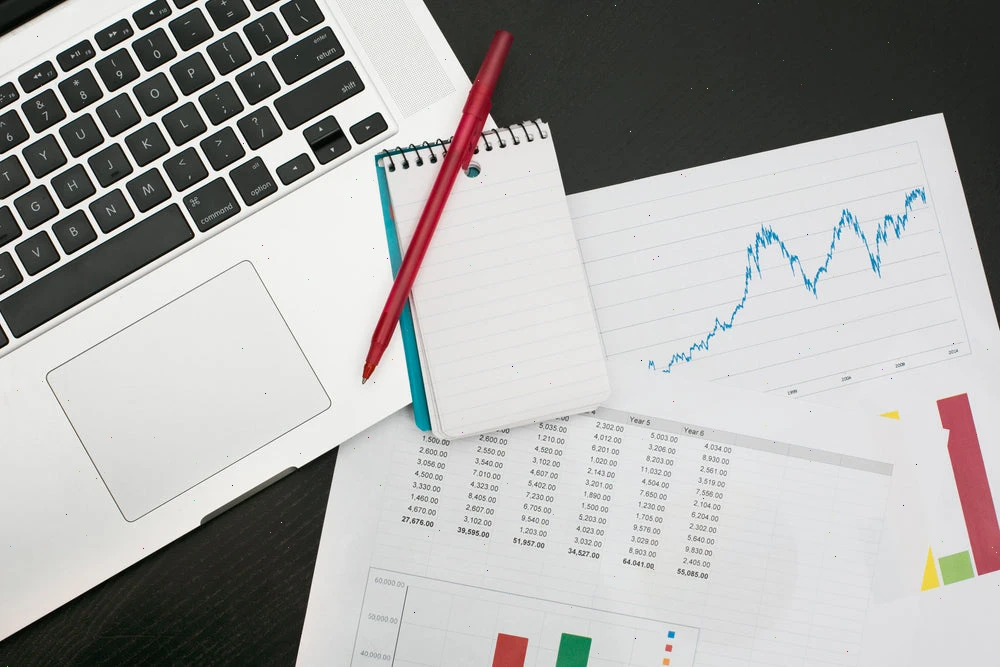
Now that we’re into 2026, quite a few people find themselves thinking more seriously about getting their finances in order. Budgeting basics offer a reliable way to keep track of what comes in and what goes out, so you can make choices that actually support your life. With costs still fluctuating and the economy shifting in various ways, getting a handle on budgeting basics helps you steer clear of unnecessary debt, grow your savings steadily, and move closer to bigger aims like retirement or investments. This piece shares straightforward steps, real-world tips—including how to fit in assets such as gold and cryptocurrency—and some thoughtful insights to make the process feel manageable.
Exploring Budgeting Basics
People often start with budgeting basics by taking an honest look at their current setup. You add up reliable income from work or other sources, then note down typical expenses. That exercise alone can show surprises, like where small amounts slip away unnoticed. Over time, even modest changes based on this view tend to add up positively.
You divide outgoings into must-haves and nice-to-haves. Must-haves cover things like rent, food, and bills that keep life running. Nice-to-haves might include meals out or streaming services. Putting must-haves first usually opens up space for saving money and handling any debt without added stress.
If you’re drawn to alternative assets, think about including them here. Gold can bring a layer of steadiness, and crypto might open doors to growth, but only after the essentials are covered. Treat them as one piece of the picture, not the whole thing.
Building Your 2026 Budget Step by Step
Here are some actions that many find helpful when putting together a personal budget:
- Look closely at your take-home pay, making sure to include everything steady.
- Spend a month noting actual expenses to see true patterns.
- Write down specific financial goals, whether short-term like an emergency fund or longer-term like building wealth.
- Go over the numbers regularly and tweak where needed.
- Set aside a reasonable portion for investments that match your comfort level.
Following this keeps things adaptable as circumstances shift.
Incorporating Budgeting Basics with Gold and Crypto
When you extend budgeting basics to include gold or cryptocurrency, it adds another dimension to financial planning. Gold often holds value during unsteady periods, while crypto can provide upside potential. Blending them carefully helps spread out risks in a sensible way.
| Approach | Benefits | Limitations | Who It Fits Best |
| 50/30/20 Rule | Easy split: half for needs, a third for wants, the rest for savings/debt | Doesn’t always suit heavy debt loads | People easing into budgeting basics |
| Zero-Based | Gives every dollar a clear purpose | Needs consistent attention to details | Those who like precise expense tracking |
| Envelope Style | Sets firm limits per category | Trickier with mostly digital payments | Anyone aiming to rein in spending impulses |
| App-Driven | Offers quick summaries and alerts | Involves sharing some personal data | Tech-oriented folks chasing financial goals |
Pick whatever feels natural for your routine.
Typical Hurdles in Budgeting and How People Navigate Them
A number of common issues come up:
- Small daily purchases that seem minor but grow over time.
- Unexpected yearly costs catching you off guard.
- Building the plan on hoped-for income rather than what’s certain.
- Putting off dealing with higher-interest debts.
- Not revisiting the setup when life changes.
Spotting these early and adjusting makes budgeting basics far more effective.
FAQ: Thoughtful Answers on Budgeting Basics
Why do budgeting basics matter so much for overall financial literacy?
JK Shim and Joel G. Siegel, in Budgeting Basics and Beyond, point out that solid budgets let you run different scenarios. This kind of preparation builds a stronger sense of direction in handling money.
How can investments work within a everyday budget?
Adrian Fozzard discusses in The Basic Budgeting Problem the importance of thoughtful allocation. For assets like gold or crypto, many set a fixed share aside only once core needs and saving money goals are met.
What’s a solid starting point for expense tracking?
B. Bielefeld and R. Schneider, authors of Basics Budgeting, often suggest simple visuals. Mapping out flows with charts makes patterns clearer and adjustments easier for your personal budget.
Can budgeting really improve debt management?
J. Buck, M. Justice, and T.E. Tussing highlight in their work on budgeting fundamentals how spotting surpluses lets you direct extra funds toward debts, speeding up progress.
How regularly should someone check their financial goals?
Shim and his co-authors generally recommend monthly reviews. This habit keeps budgeting basics relevant as priorities or situations evolve.
Moving Forward with Confidence
Getting comfortable with budgeting basics truly equips you to face 2026 on your own terms. Try starting small—perhaps by listing income and main expenses this week—and build from there. The results often show up sooner than expected. For more on blending gold or crypto into your approach, check the related guides here. Which part of this will you try first? Drop a note below if you’d like to share.
